



The Legendary Career of Rod Stewart: A Retrospective
Rod Stewart, one of rock music’s most iconic and enduring figures, has built a career that spans more than six decades. Known for his unmistakable raspy voice, magnetic stage presence, and ever-evolving musical style, Stewart’s journey from a young, aspiring musician in the 1960s to global superstardom is a testament to his talent, resilience, and adaptability. His career has witnessed tremendous growth, from blues and rock to pop and standards, reflecting both his versatility and the changing landscape of popular music.
Early Life and Musical Beginnings (1945–1969)
Born on January 10, 1945, in Highgate, London, Roderick David Stewart grew up in a working-class family. From an early age, he developed a love for music. Inspired by American artists such as Elvis Presley, Sam Cooke, and Chuck Berry, Stewart began experimenting with his voice, singing along to records. He played the harmonica and guitar before deciding to pursue a career as a professional musician.
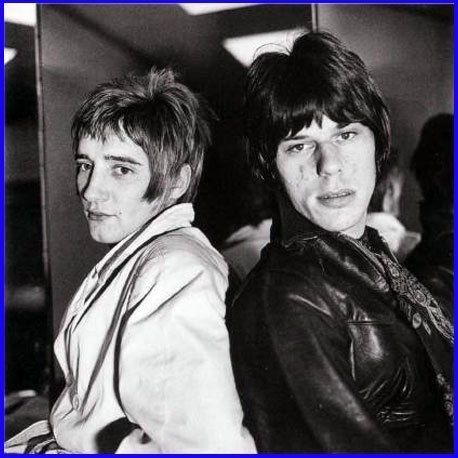
Rod’s musical career took off in the mid-1960s when he joined the London rhythm and blues scene. Initially, he played with various groups, including the Steampacket and the Shotgun Express, but it wasn’t until he became involved with the Jeff Beck Group in 1967 that he began to gain real recognition. Stewart’s collaboration with Jeff Beck proved crucial to his career, as he honed his skills as a vocalist and performer, giving rise to a distinctive voice that would become one of rock’s most recognized.
The Faces and the Rise to Fame (1970–1975)
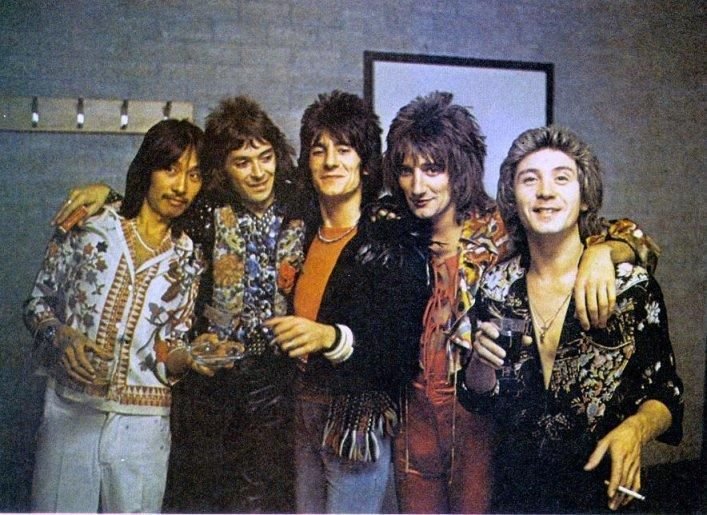
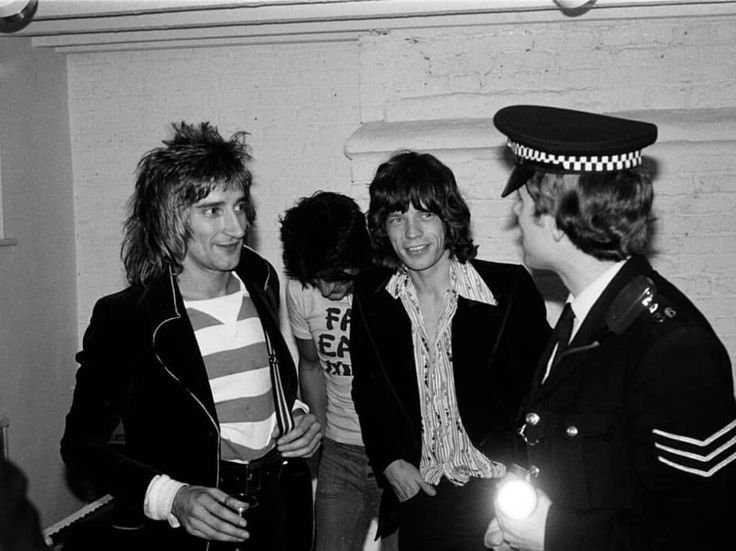
Rod Stewart’s major breakthrough came in 1970, when he became the lead singer of the Faces, a rock band formed from the remnants of the Small Faces. Along with guitarist Ronnie Wood, Stewart’s charismatic stage presence and gritty, soulful voice helped elevate the band to prominence. Songs like Stay with Me (1971) and Cindy Incidentally (1973) became anthems of the early 1970s, capturing the spirit of the glam rock era.
At the same time, Stewart was developing a parallel solo career. His first solo album, An Old Raincoat Won’t Ever Let You Down (1969), was a modest success but helped establish him as a solo artist in his own right. By the early 1970s, Stewart’s solo career was booming, thanks to the success of albums like Every Picture Tells a Story (1971), which featured the timeless hit “Maggie May.” The song topped the charts in the U.S. and the U.K., catapulting Stewart into the global spotlight.
Stewart’s distinctive blend of rock, folk, and soul resonated with audiences, and by the mid-1970s, he had solidified his place in rock and roll history. The success of his albums Never a Dull Moment (1972) and Smiler (1974) further cemented his reputation, while his ability to effortlessly blend rock with elements of rhythm and blues marked his unique style.
The 1970s: Solo Stardom and Icon Status
The 1970s marked the peak of Rod Stewart’s career, both as a member of the Faces and as a solo artist. After the Faces disbanded in 1975, Stewart fully committed to his solo career. The mid-1970s saw Stewart embrace a more polished sound, combining elements of pop rock, soul, and even disco. His 1975 album Atlantic Crossing featured the hit single “Sailing,” a song that became one of his signature tracks and showcased his ability to cross over to a mainstream audience.
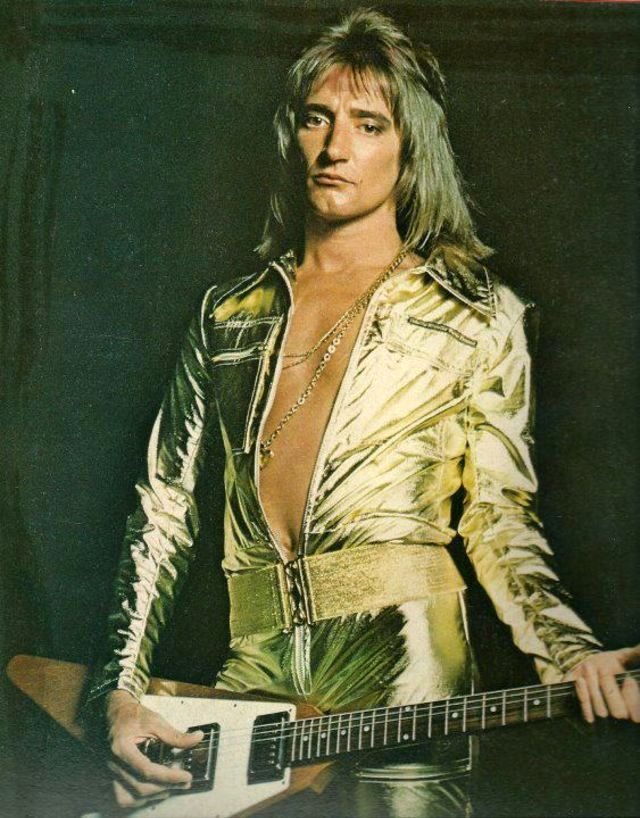
Throughout the decade, Stewart’s popularity soared. His 1976 album A Night on the Town was another commercial success, and songs like “Tonight’s the Night (Gonna Be Alright)” further cemented his place as one of the world’s biggest rock stars. The mid-1970s also marked a transformation in his image, as Stewart became known for his rakish persona, flashy outfits, and eye-catching blonde hair.
In 1977, Stewart released Foot Loose & Fancy Free, which included another signature hit, “You’re in My Heart (The Final Acclaim).” The song’s romantic and catchy nature appealed to a wider audience, making Stewart not just a rock star but also a mainstream pop idol. By the end of the decade, Stewart had earned multiple platinum records and had established himself as one of the most successful artists in rock and pop music.
The 1980s: Reinvention and Continued Success
The 1980s were a period of change for Stewart, as the music industry evolved and new sounds began to dominate. While his earlier sound had leaned heavily into rock and soul, Stewart embraced the new wave of 1980s pop with his 1981 album Tonight I’m Yours, which featured the hit “Young Turks.” Stewart’s willingness to adapt to the changing musical landscape helped him stay relevant in the face of new competition.
The 1980s also saw Rod Stewart collaborate with some of the biggest names in music. His 1983 album Body Wishes included the hit “Baby Jane,” while his 1985 album Every Beat of My Heart featured the title track, which was another major success. Stewart continued to explore different musical styles, from dance-oriented pop to rock ballads, further proving his versatility.
Stewart’s work in the 1980s was also marked by a series of high-profile personal relationships and publicized love affairs, which kept him in the media spotlight. He married actress Alana Stewart in 1979, and the couple had two children before divorcing in 1984.
The 1990s and 2000s: Reinvention and Standards
In the 1990s, Stewart’s career took another turn as he embraced the standards and swing music of the Great American Songbook. His 1998 album When We Were the New Boys featured a mix of rock and pop covers, including a memorable rendition of “Have I Told You Lately,” originally by Van Morrison. Although the album didn’t achieve the same success as his earlier work, it was clear that Stewart’s artistic ambitions were shifting.
In 2002, Stewart reinvented himself again with The Great American Songbook, a series of albums where he covered classic standards from the 1920s to the 1950s. These albums were a massive commercial success, earning him a new generation of fans and re-establishing him as a mainstay in popular music. His renditions of songs like “Mack the Knife” and “The Way You Look Tonight” showcased his ability to reinterpret classic material with his trademark raspy voice, all while bringing a fresh, contemporary spin to the songs.
Rod Stewart continued to release albums throughout the 2000s and 2010s, with various degrees of success. His focus on standards continued with albums like It Had to Be You: The Great American Songbook, Volume II (2003), Thanks for the Memory: The Great American Songbook, Volume V (2009), and Time (2013), his first album of original material in over a decade.
Recent Years: Touring and Legacy
As of the mid-2010s, Rod Stewart’s career showed no signs of slowing down. He continued to perform in sold-out arenas across the world, drawing huge crowds with his extensive catalog of hits. His 2015 album Another Country, which featured more of his signature rock and pop sound, received positive reviews and reinforced his ability to innovate well into his 70s.
In addition to his musical accomplishments, Stewart has earned accolades for his charitable work, including efforts to support the homeless and promote children’s welfare. In 2016, he was knighted by Queen Elizabeth II for his services to music and charity, further solidifying his status as a national treasure in the U.K.
Rod Stewart’s legacy is one of versatility, longevity, and timeless appeal. His ability to adapt to changing musical trends while maintaining his unique voice and persona has ensured his place in the pantheon of rock and pop legends. With a career that spans over 60 years, Stewart’s influence on music remains profound, and his place in the history of rock and roll is secure.
Conclusion
Rod Stewart is a true rock ‘n’ roll icon whose career has transcended genres and generations. From his early days with the Jeff Beck Group and the Faces to his later work with standards and pop music, Stewart has remained a vital force in the music world. His voice, style, and unforgettable presence have made him a beloved figure, and his ongoing success speaks to his unwavering relevance and enduring appeal. With over six decades in the business, Rod Stewart’s legacy is one of unparalleled achievement and musical artistry that continues to resonate with fans old and new.
” You go through life wondering what is it all about, but at the end of the day, it’s all about family “. Rod Stewart